The right cycling jacket can make cold, wet, and windy rides far more comfortable. This roundup compares 10 options covering thermal winter protection, lightweight rain coverage, packability, and everyday versatility.
Use the guide below to match insulation, weather resistance, fit, and visibility features to your riding conditions and budget.
Best 10 Cycling Jackets Picks for 2026
Cold-Weather Utility
Men's Thermal Softshell Cycling Jacket

- Three-layer windproof, breathable, fleece-lined construction
- Reflective details and ventilation zippers
- Four pockets with extended rear ride coverage
Best For: Winter cycling, MTB, touring, and cold-weather outdoor activities
Rain-Ready Lightweight
Men's Packable Waterproof Cycling Jacket

- Waterproof TPU membrane with back ventilation
- Packs into its own back pocket
- Reflective accents and six utility pockets
Best For: Rainy rides, commuting, travel, and lightweight outdoor use
Fleece Comfort
Women's Water-Resistant Cycling Jacket
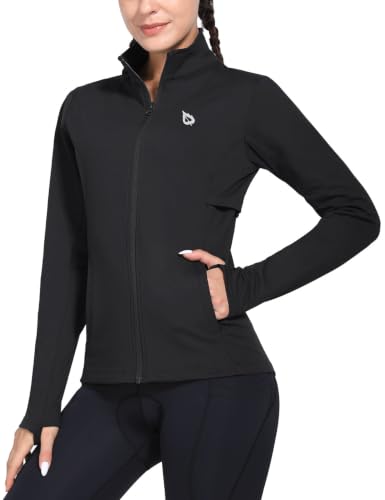
- Soft fleece lining for cool-weather warmth
- Stretch fabric, thumbholes, and high collar
- Five pockets with reflective low-light details
Best For: Cool-weather cycling, running, workouts, and light rain
Ventilated Thermal Ride
ROCKBROS Men's Winter Cycling Jacket

- 320 GSM polar fleece for fall and winter warmth
- Back vents and mesh panels release excess heat
- Reflective details and touchscreen sleeve panel
Best For: Winter cycling, evening rides, MTB, running, and hiking
Cold-Weather Coverage
Fleece-Lined Winter Cycling Jacket

- Fleece-lined for rides around 20–50°F
- Water-resistant softshell with dropped tail
- Five pockets, reflective details, and stretch panels
Best For: Cold-weather cycling and outdoor activities
Rain-Ready Packability
Women’s Waterproof Cycling Rain Jacket

- Seam-sealed waterproof design with underarm vents
- Folds into its back pocket for easy carrying
- Five pockets and reflective cycling-focused details
Best For: Packable protection for rainy, mild-weather rides
Rain-Ready Visibility Pick

- 5000mm waterproof membrane resists rain
- Vent zips help release workout heat
- Reflective details support low-light visibility
Best For: Wet-weather cycling, running, travel, and outdoor sports
Maximum Storage Pick
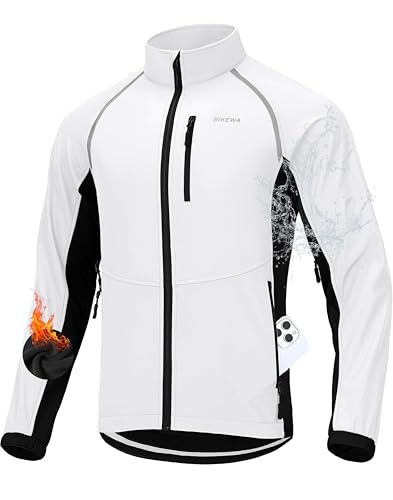
- Three-layer fleece construction adds warmth
- Eight pockets hold ride essentials
- Reflective details and silicone waist grip
Best For: Cold-weather cycling, touring, and mountain biking
Cold-Weather Utility – Men's Thermal Softshell Cycling Jacket
For riders seeking dependable cycling jackets for winter, this baleaf softshell combines a windproof outer surface, breathable membrane, and warm fleece lining. Its reflective details, ventilation zippers, and extended rear coverage make it suited to colder road rides and outdoor training.
Best For: Winter cycling, MTB, touring, and other cold-weather outdoor activities.
Pros:
- Three-layer construction balances warmth, wind protection, and breathability.
- Reflective elements on the chest, elbows, back, and rear pocket improve low-light visibility.
- Four utility pockets include two large rear pockets for cold-weather accessories.
- High collar, drop-tail hem, and silicone gripper provide extra ride coverage.
Cons:
- Insulated construction may be warmer than needed for mild conditions.
- Designed for winter use, so it is less packable than a lightweight rain shell.
This is a practical pick when warmth, storage, and visibility matter more than minimal weight. The stretch fit supports layering, while the ventilation and moisture protection add versatility for changing winter conditions.
Rain-Ready Lightweight – Men's Packable Waterproof Cycling Jacket
This baleaf rain shell is one of the more versatile cycling jackets for wet-weather commutes and changing forecasts. It pairs a waterproof TPU membrane with back ventilation, reflective accents, a hood, and a packable design that stores in its own back pocket.
Best For: Rainy rides, commuting, travel, hiking, and lightweight outdoor use.
Pros:
- 5000mm waterproofing and 3000g/m²/24hr breathability help manage wet conditions.
- Lightweight design packs into the back pocket for travel or emergency storage.
- Six total pockets provide substantial storage with zippered security.
- Reflective stripes and logo improve visibility in low light.
Cons:
- Lightweight, low-stretch fabric offers less insulation for cold-weather rides.
- The attached hood may be more useful off the bike than under a helmet.
- The sizing guidance recommends going up a size for a looser fit.
Choose this jacket when rain protection and packability are the priorities. It is better suited to layering over other clothing than serving as a standalone winter jacket.
Fleece Comfort – Women's Water-Resistant Cycling Jacket
For cool-weather training, this women’s fleece layer offers a comfortable alternative among cycling jackets. The soft fleece interior provides warmth, while water-resistant fabric, underarm mesh vents, thumbholes, and reflective elements support active use in light rain and low light.
Best For: Cool-weather cycling, running, workouts, hiking, and everyday activewear.
Pros:
- Soft fleece lining is designed for warmth in approximately 40–60°F conditions.
- Four-way stretch supports movement with a slim fit.
- Thumbholes and a high collar help reduce exposure to wind chill.
- Five pockets, including a rear zip pocket, provide useful storage.
Cons:
- Water resistance is intended for light rain and short exposure, not sustained downpours.
- The slim fit may leave less room for bulky layers.
- It is a fleece jacket rather than a fully waterproof shell.
This is a strong choice for riders who want a warm, flexible layer for cool conditions and mixed active use. Select a different shell if extended rain protection is your main requirement.
Ventilated Thermal Ride – ROCKBROS Men's Winter Cycling Jacket
Built for cold-weather riding, this ROCKBROS option combines a 320 GSM polar fleece interior with a windproof, water-resistant exterior. Among cycling jackets, it stands out for its rear ventilation holes, mesh side panels, extended hem, reflective strips, and touchscreen sleeve panel.
Best For: Winter cycling, evening rides, MTB, running, and cold-weather hiking.
Pros:
- Heavy polar fleece lining helps retain body heat in fall and winter.
- Six back and shoulder vents plus mesh panels help release excess heat.
- Extended rear hem and high collar add coverage in a riding position.
- Reflective strips and touchscreen sleeve panel add practical ride-focused details.
Cons:
- Water resistance is not the same as full waterproofing.
- The fit runs small; the guidance recommends sizing up one or two sizes for a looser fit.
- Hand-wash-only care is less convenient than machine washing.
This jacket suits riders who want substantial warmth without giving up ventilation. Check the sizing carefully, especially if you plan to wear multiple layers underneath.
Cold-Weather Coverage – Fleece-Lined Winter Cycling Jacket
For riders who need substantial warmth in cold conditions, this baleaf jacket is a practical option among cycling jackets. Its fleece lining, water-resistant softshell, dropped rear hem, and stretch panels are designed for winter rides in approximately 20–50°F weather.
Best For: Cold-weather cycling, commuting, mountain biking, and other outdoor activities where warmth and light weather protection matter.
Pros:
- Fleece-lined interior helps retain warmth in winter conditions.
- Water-resistant outer fabric and dropped tail provide added coverage against wind and rain.
- Five pockets, including a chest pocket and rear riding pocket, offer useful storage.
- Reflective strips and stretchy panels support visibility and freedom of movement.
Cons:
- The supplied fit guidance says the jacket runs large, so sizing down may be appropriate.
- Its fleece lining and medium-weight construction may feel too warm for mild-weather rides.
This is a feature-rich winter layer for cyclists who prioritize insulation, storage, and visibility. Choose carefully for fit, especially if you prefer a closer cycling cut.
Rain-Ready Packability – Women’s Waterproof Cycling Rain Jacket
This lightweight women’s rain jacket is a practical pick for cyclists seeking packable protection. Among cycling jackets, it stands out for its seam-sealed waterproof construction, underarm vents, adjustable fit, and ability to fold into its back pocket.
Best For: Rainy or changeable rides, commuting, hiking, running, and cyclists who want a compact shell to carry in a pack or on the bike.
Pros:
- Waterproof construction is rated up to 10,000 mm, with breathability up to 5,000 g/m²/24h.
- Lightweight design packs into the back pocket and includes a drawstring for securing it to a bike.
- Five pockets provide storage for essentials such as a phone, keys, and gloves.
- Reflective prints, adjustable cuffs, hem, and hood improve riding practicality.
Cons:
- The fabric has no stretch, which may feel less flexible than stretch cycling jackets.
- It is intended for mild weather and offers lightweight shell protection rather than insulation.
For riders who value portability and wet-weather coverage, this jacket offers a well-rounded shell design. Its lack of stretch makes getting the fit right especially important.
Balanced Thermal Performance – Men’s Windproof Cycling Jacket
Designed for cool-weather riding, this Przewalski jacket combines a brushed fleece interior with wind protection and ventilation. It is a useful middle-ground choice among cycling jackets for riders who need warmth and light-rain resistance without a dedicated heavy rain shell.
Best For: Cycling, running, and hiking in approximately 45–70°F conditions, particularly when wind protection and moderate insulation are priorities.
Pros:
- Brushed fleece lining, high collar, elastic cuffs, and a draft flap help retain warmth.
- Underarm and back ventilation panels support breathability and moisture management.
- One chest pocket and two rear pockets provide practical ride storage.
- Reflective branding and a back stripe improve visibility in low light.
Cons:
- The jacket is suited to light rain; the notes recommend a professional raincoat for moderate or heavy rain.
- The cycling-specific cut may run tighter, especially over a thick jersey.
- Hand-wash-only care is less convenient than machine-washable options.
This jacket is best viewed as a thermal, wind-resistant cycling layer rather than a full rain jacket. Consider sizing up if you plan to wear substantial layers underneath.
Warmth-First Pick – Fleece-Lined Softshell
If you want cycling jackets for cold-weather rides, the ARSUXEO Winter Cycling Jacket emphasizes warmth without giving up useful stretch. Its fleece-lined body, windproof water-repellent shell, and longer rear hem make it a practical choice for fall and winter cycling.
Best For: Early-morning rides, winter bike commutes, and other cool-weather outdoor activities.
Pros:
- Fleece lining and wind-resistant construction add warmth and protection.
- Stretch panels help support riding movement and reach to the handlebars.
- Stand-up collar, extended cuffs, and a longer rear hem help limit cold drafts.
- Chest and rear zippered pockets keep small essentials organized.
Cons:
- The fleece-lined, medium-weight design is less suited to mild or warm conditions.
- Storage is more limited than jackets with several dedicated pockets.
Choose this jacket when warmth and flexible coverage matter more than ultralight packability. It is especially well matched to riders facing cold wind on regular fall and winter outings.
Rain-Ready Visibility Pick – Packable Hooded Rain Jacket
Among cycling jackets for wet-weather riding, this lightweight hooded windbreaker focuses on waterproof coverage, ventilation, and visibility. Its 5000mm waterproof rating, underarm zips, back vents, and reflective details make it suited to changing conditions without a bulky feel.
Best For: Rainy bike rides, running, travel, and outdoor activities where packability and visibility are useful.
Pros:
- Waterproof TPU membrane and DWR finish help resist rain and wind.
- Underarm zips and back vents help release heat during activity.
- Reflective elements on the front, back, and hood improve low-light visibility.
- Multiple zippered pockets and a back pocket that doubles as a pouch support travel use.
Cons:
- The non-stretch fabric may feel less flexible during movement.
- Lightweight construction is designed for rain protection rather than substantial insulation.
This is a practical shell for riders who need wet-weather coverage that is easy to pack. Look elsewhere if your priority is fleece warmth or a highly stretchy fit.
Maximum Storage Pick – Thermal Winter Jacket
For riders comparing cycling jackets for winter, this thermal jacket combines a three-layer build with fleece insulation, wind protection, and extensive storage. Its water-repellent outer layer, ventilation zips, high collar, and silicone waist grip are designed for cold, active rides.
Best For: Winter cycling, mountain biking, bicycle touring, and other cold-weather outdoor activities.
Pros:
- Three-layer construction combines a windproof exterior, breathable membrane, and warm fleece.
- Eight utility pockets provide space for gloves, bottles, valuables, and other gear.
- Underarm vents help remove excess heat during cycling or running.
- High collar, silicone waist grip, and reflective elements add practical riding features.
Cons:
- Heavyweight, non-stretch fabric may feel less flexible than a lighter cycling shell.
- Its thermal insulation is likely excessive for mild-weather rides.
This jacket stands out when cold-weather storage and insulation are priorities. It is a strong fit for longer winter outings where carrying gloves, bottles, and personal items is part of the ride.
How We Picked These Cycling Jackets
We selected these Cycling Jackets to represent the main needs of road cyclists, commuters, runners, and mountain bikers. The comparison considers insulation, wind and water protection, packability, visibility, storage, hood design, and likely use across changing conditions. Because listed features can vary by size and seller, confirm the current specifications, measurements, and care instructions before ordering.
Quick Comparison
| Best For | Jacket Type | Look For |
|---|---|---|
| Cold-weather rides | Thermal softshell | Fleece lining, wind resistance, secure pockets |
| Wet commutes | Waterproof rain shell | Hood, sealed construction, packable design |
| Changeable weather | Lightweight windbreaker | Low bulk, water resistance, reflective details |
| Trail and MTB riding | Durable softshell | Mobility, abrasion resistance, adjustable hem |
Key Buying Factors for Cycling Jackets
Insulation and Temperature
For winter riding, choose fleece-lined or thermal jackets with enough room for a base layer. A lighter shell is usually better for high-output rides or mild conditions, where excessive insulation can cause overheating.
Rain and Wind Protection
Water-resistant fabric can handle light showers, while a waterproof jacket is the safer choice for sustained rain. Check whether the hood fits over a helmet and whether cuffs, hems, and zippers help limit drafts and water entry.
Fit and Mobility
A cycling-specific cut should allow comfortable reach to the handlebars without pulling across the shoulders. For mixed activities, select a more relaxed fit, but avoid excess fabric that can flap in strong wind.
Visibility, Storage, and Portability
Reflective accents improve visibility in low light, though they do not replace front and rear lights. Pockets should close securely, and a packable shell is valuable when the forecast is uncertain. Verify pocket placement if you regularly carry a phone, keys, or ride essentials.
Who Should Buy Which Cycling Jackets?
Choose a fleece-lined thermal softshell if your priority is warmth on cold-weather rides. Pick a lightweight waterproof shell for commuting or touring in unpredictable rain. A packable windbreaker suits riders who need a compact layer for changing conditions, while a more durable softshell is the better fit for MTB, hiking, and other rougher use.
When between sizes, compare the garment measurements with a layer you already own. Also check return terms, since fit and weatherproof performance can differ between brands and individual models.