If you’re building or upgrading a mountain bike with boost hubs, the details matter: axle spacing, rotor interface, cassette fit, and spoke count all affect compatibility.
This roundup focuses on boost-ready wheels and hubs that make it easier to match modern frames while keeping your build simple, strong, and trail-ready.
Best 10 Mountain Bike with Boost Hubs Picks for 2026
Boost Thru-Axle MTB Wheelset
29in Front/Rear 15x110 & 12x148
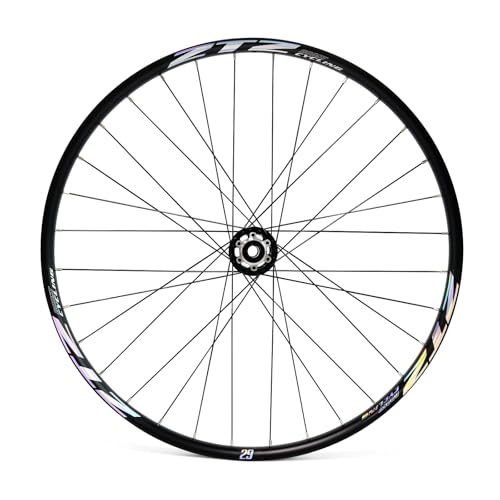
- Boost spacing for 15x110 front and 12x148 rear
- 29-inch aluminum alloy wheelset with 32 holes
- PVC rim strip and 45# steel spokes for durability
Best For: 29-inch boost-compatible MTB wheel replacement
XM450 Boost Hub
32H 15x110 / 12x148 J-Bend Hub

- Choose front 15x110 or rear 12x148 boost spacing
- HG freehub fits listed Shimano and SRAM speed ranges
- 32-hole J-bend hub with 6-pawl, 120-click design
Best For: Single-hub replacement or custom boost wheel build
Best Budget
27.5in Front/Rear 15x110 & 12x148

- Boost spacing for 15x110 front and 12x148 rear
- 27.5-inch aluminum alloy wheelset with 32 holes
- Disc-brake ready with reinforced spokes and rim strip
Best For: 27.5-inch boost-compatible MTB wheel replacement
XM450 Boost MTB Hub
32H Front 15x110 or Rear 12x148

- Boost front 15x110 or rear 12x148 options
- Lightweight aluminum 6061/7075 construction
- HG-compatible for Shimano and SRAM ranges listed
Best For: Lightweight boost hub for a custom MTB build
Best Value Boost Compatibility

- 15x100 front and 12x142 rear sizing
- Aluminum 6061/7075 build
- HG freehub for Shimano 8-11S and SRAM 8-12S
Best For: Riders replacing a boost-compatible hub set with lightweight aluminum construction
Heavy-Duty Super Boost Pick
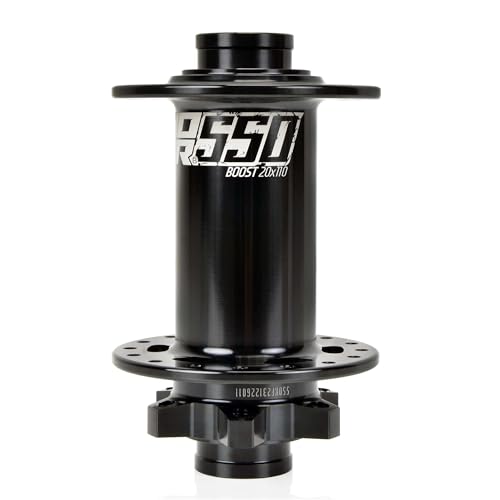
- 20x110 front and 12x157 rear super boost sizing
- 4-pawl, 40T gear ring for stable operation
- Built for FR, AM, and DH mountain bikes
Best For: Heavy mountain bike builds that use super boost spacing
Rear Upgrade for Boost Builds

- 12x148mm rear boost spacing
- CNC aluminum alloy construction
- 6-pawl, 72HD freehub system
Best For: Riders needing a rear-only replacement for a 12x148mm boost setup
Best Boost Rear Replacement

- 12x148mm Boost rear hub
- 32-hole J-bend design
- XD or MS freehub options
Best For: Replacing a Boost rear hub on a Shimano-compatible MTB build
Best Boost Front Hub

- 15x110mm Boost front hub
- 32-hole 6-bolt disc brake setup
- All-aluminum CNC construction
Best For: Replacing a Boost front hub on a disc brake MTB
Best XD Boost Rear Hub
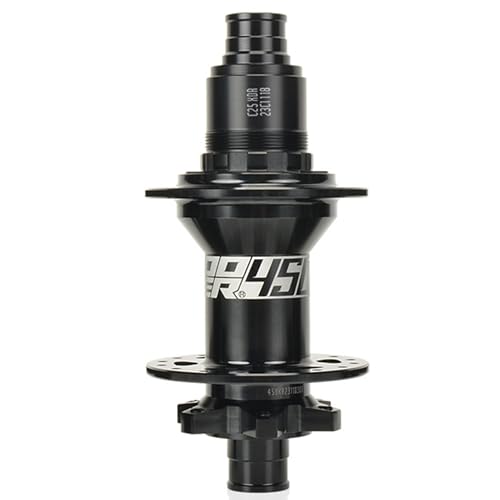
- 12x148mm Boost rear hub
- XD freehub for Shimano 11-12 speed
- Lightweight 6061 + 7075 aluminum build
Best For: Boost rear builds that need an XD freehub body
Boost Thru-Axle MTB Wheelset – 29in Front/Rear 15×110 & 12×148
If you need a mountain bike with boost hubs for trail, XC, or all-mountain use, this 29-inch wheelset is built around the common 15×110 front and 12×148 rear thru-axle standard. The aluminum alloy rims, 32-hole build, and disc-brake compatibility make it a practical choice for riders replacing worn wheels or building a boost-compatible setup.
Best For: Riders who want a lightweight, boost-ready 29-inch MTB wheelset with thru-axle spacing.
Pros:
- Boost hub spacing: 15x110mm front and 12x148mm rear.
- 32-hole aluminum alloy rims with PVC explosion-proof tire pads.
- 45# steel spokes with extended copper heads for added resilience.
- Front 2 / rear 4 bearings for smoother rolling efficiency.
Cons:
- Sold as a single wheel, not a full paired set based on the listing details.
- Only one size option is shown here: 29 inches.
Overall, this is a straightforward boost wheel option for riders who already know they need the 15×110 and 12×148 thru-axle standard. The focus is durability, weight savings, and compatibility rather than extra features.
XM450 Boost Hub – 32H 15×110 / 12×148 J-Bend Hub
This mountain bike with boost hubs option is aimed at riders building or replacing a single hub on a boost wheel setup. The XM450 uses a 32-hole J-hook design, HG freehub body, and boost spacing for either a 15×110 front or 12×148 rear, making it a solid match for Shimano and SRAM drivetrains within the stated ranges.
Best For: Riders who need a single boost MTB hub for a custom wheel build or replacement.
Pros:
- Available in boost front 15x110mm or rear 12x148mm.
- HG freehub supports Shimano 8-11 speed and SRAM 8-10 speed ranges noted.
- 32-hole J-bend design suits many common MTB wheel builds.
- 6-pawl, 120-click system is built for heavy off-road or e-bike use.
Cons:
- Sold as a single hub, not a complete wheelset.
- Fitment depends on choosing the correct front or rear version.
If you are building around boost standards and already have a compatible rim or wheel project, this hub keeps things focused and practical. The strongest appeal is drivetrain compatibility plus the heavy-duty off-road positioning.
Best Budget – 27.5in Front/Rear 15×110 & 12×148
For riders shopping a mountain bike with boost hubs in a smaller wheel size, this 27.5-inch version keeps the same practical boost thru-axle setup as the 29-inch model. It uses aluminum alloy rims, 32-hole construction, disc-brake compatibility, and a 15×110 front / 12×148 rear layout for trail, XC, or all-mountain riding.
Best For: Riders who want a 27.5-inch boost wheelset for a thru-axle MTB build.
Pros:
- Boost hub spacing with 15x110mm front and 12x148mm rear.
- 27.5-inch aluminum alloy wheelset designed for disc brakes.
- 32-hole build with PVC explosion-proof tire pads.
- 45# steel spokes and copper heads for added spoke resilience.
Cons:
- Listing shows only one wheel included rather than a full pair.
- Only the 27.5-inch size is represented for this version.
This version makes sense if your frame and riding style favor 27.5-inch wheels and boost spacing. It stays focused on the essentials: compatible axle standards, durability, and efficient rolling hardware.
XM450 Boost MTB Hub – 32H Front 15×110 or Rear 12×148
If you are building a mountain bike with boost hubs and need a lightweight single hub, the XM450 is set up for either a 15×110 front or 12×148 rear configuration. Its aluminum 6061/7075 construction, HG cassette compatibility, and 32-hole disc-brake design make it a straightforward parts choice for a custom MTB wheel.
Best For: Builders needing a lightweight front or rear boost hub with common drivetrain compatibility.
Pros:
- Boost sizing available in front 15x110mm or rear 12x148mm.
- Ultralight aluminum construction, listed at 180g front and 320g rear.
- HG cassette compatibility for Shimano 8-11 speed and SRAM 8-10 speed.
- 32-hole, 6-pawl, 120-click disc-brake hub design.
Cons:
- Sold as a single front or rear hub, not a complete wheelset.
- Only one hub is included per the package details.
For a custom build where weight and boost fitment matter, this hub keeps the spec sheet clean and useful. It is best when you already know which side you need and want a simple, compatible replacement.
Best Value Boost Compatibility – XM490 PRO MTB Boost Hub Set
If you need a mountain bike with boost hubs setup replacement that stays simple and lightweight, this XM490 PRO hub set is built around common boost MTB spacing and a 6-bolt disc layout. It’s a practical option for riders matching 15×100 front and 12×142 rear dimensions, with HG freehub compatibility for Shimano 8-11 speed and SRAM 8-12 speed drivetrains.
Best For: Riders replacing a boost-compatible hub set who want a lightweight, aluminum option with broad drivetrain support.
Pros:
- Boost-style sizing for 15×100 front and 12×142 rear setups
- Aluminum 6061 and 7075 construction keeps weight low
- HG freehub supports Shimano 8-11S and SRAM 8-12S
- 6-bolt disc brake fitment for common MTB rotor setups
Cons:
- Size must be confirmed before ordering
- Sold as front hub, rear hub, or set depending on selection
This is a straightforward choice for riders focused on compatibility and lightweight construction rather than premium extras. If your frame and drivetrain match the listed dimensions, it offers a clean boost hub solution.
Heavy-Duty Super Boost Pick – XM550 Boost MTB Hub
For a mountain bike with boost hubs that needs wider spacing and a tougher feel, this XM550 hub targets heavy mountain bikes and uses super boost sizing. The 20×110 front and 12×157 rear dimensions make it a fit for FR, AM, and DH builds, while the 32-hole, 6-bolt design and reinforced pawl setup are aimed at more stable operation.
Best For: Heavy mountain bike builds, including freeride, all-mountain, and downhill setups that use super boost spacing.
Pros:
- Super boost sizing with 20×110 front and 12×157 rear
- 32-hole, 6-bolt design for common MTB wheel builds
- Widened and thickened 4-pawl system with 40T gear ring
- Compatible with Shimano 8-11 speed drivetrains
Cons:
- Designed for specific heavy-bike spacing, not standard boost layouts
- Sold as a front or rear hub depending on selection
This hub makes sense when you want a more robust boost-style option for aggressive riding categories. Its larger spacing and reinforced internals are the main reasons to choose it over a basic replacement.
Rear Upgrade for Boost Builds – XM490 Pro Boost Rear Hub
If you are shopping for a mountain bike with boost hubs and only need the rear side, this XM490 Pro Boost rear hub is a focused replacement for 12x148mm spacing. It uses an all-aluminum alloy CNC construction, a 6-bolt disc brake interface, and a classic 6-pawl, 72HD freehub system for riders who want a durable rear wheel upgrade.
Best For: Riders who need a replacement rear boost hub with 12x148mm spacing and a lightweight CNC aluminum build.
Pros:
- Rear-only boost hub with 12x148mm sizing
- All-aluminum alloy CNC precision construction
- 6-pawl, 72HD freehub system for efficient engagement
- Includes a quick release lever in the package
Cons:
- Rear hub only, not a full wheel or front/rear set
- Requires matching 12x148mm rear spacing
As a rear-specific option, this hub is best when you already know your frame and wheel build match the listed boost dimensions. Its simple feature set keeps the focus on fit, durability, and freehub performance.
Best Boost Rear Replacement – 32H 12x148mm Rear Hub
If you need a mountain bike with boost hubs rear upgrade for a Shimano-compatible drivetrain, this BestParts XM450 is built around a 12x148mm Boost rear hub format. It uses an aluminum 6061 and 7075 body, a 32-hole J-bend design, and comes with either XD or MS freehub options, so it fits the kind of parts-matching work riders do when replacing a rear hub.
Best For: Riders replacing a Boost rear hub who want an ultra-light 32-hole option with XD or MS compatibility.
Pros:
- 12x148mm Boost rear hub with 32-hole J-bend layout
- Ultra-light aluminum 6061 + 7075 construction, listed at 215g
- Available with XD or MS freehub body choices
- Built for Shimano 11-12 speed on XD or Shimano 12 speed on MS
Cons:
- Rear hub only, so it is not a complete wheelset
- Freehub body is selected by choice, so compatibility needs to be matched carefully
- Disc brake and thru-axle setup must match your existing build
This is a focused replacement part rather than a universal upgrade, but the Boost spacing and Shimano-oriented cassette support make it a practical choice for the right rebuild.
Best Boost Front Hub – 32H 6-Bolt 15x110mm Front Hub
For a mountain bike with boost hubs setup up front, the BestParts XM490 Pro is a 15x110mm Boost front hub made for disc brake builds. It uses an all-aluminum alloy CNC construction, a 32-hole spoke layout, and a 6-bolt interface, which makes it a straightforward option when you are replacing a front hub and want to stay within Boost spacing.
Best For: Riders needing a Boost front hub replacement with 6-bolt disc brake compatibility and a 32-hole layout.
Pros:
- 15x110mm Boost front hub specification
- 32-hole, 6-bolt disc brake design
- All-aluminum alloy CNC precision construction
- Uses a 72HD system with classic 6 pawls
Cons:
- Front hub only, not a full wheel or rear hub
- Product notes reference it as a front hub replacement, so it is not for rear use
- Compatibility still depends on matching your fork and brake setup
This hub is a practical pick if you already know you need a Boost front standard and want a durable, lightweight replacement with a simple disc-brake layout.
Best XD Boost Rear Hub – 32H 12x148mm XD Rear Hub
This mountain bike with boost hubs option is another BestParts XM450 rear hub, but with the XD-specific configuration. It keeps the 12x148mm Boost spacing, 32-hole J-bend format, and lightweight aluminum 6061 plus 7075 construction, while the XD freehub makes it the better fit when your Shimano setup needs the XD-style option for 11-12 speed drivetrains.
Best For: Riders who want a lightweight Boost rear hub with an XD freehub body for Shimano 11-12 speed.
Pros:
- 12x148mm Boost rear hub in a 32-hole format
- XD freehub body option for Shimano 11-12 speed
- Lightweight aluminum 6061 + 7075 construction
- J-hook, disc brake design with 6 pawls and 3-teeth system
Cons:
- Rear hub only, so it is not a complete wheelset
- XD-specific version limits cassette choices compared with an MS option
- Needs a compatible 12x148mm Boost rear frame and axle setup
If you are building around a Boost rear end and specifically need XD compatibility, this version keeps the same lightweight XM450 formula with a more targeted drivetrain fit.
How We Picked the Best Mountain Bike with Boost Hubs
We focused on boost-specific wheel and hub options with the most important fitment details clearly defined: 12×148 rear spacing, 15×110 front spacing, 20×110 where applicable, 6-bolt disc compatibility, and common 32-hole drilling. We also favored products that support widely used cassette ranges and axle standards so upgrades are easier to plan.
Quick Comparison
In a Mountain Bike with Boost Hubs, the main decision is usually whether you need a complete wheelset or just hubs. Wheelsets are the simpler choice if you want a more turnkey upgrade, while individual hubs are better if you’re rebuilding around an existing rim or optimizing a custom setup.
Key Buying Factors for Mountain Bike with Boost Hubs
Axle Spacing
Check the frame and fork standard first. The most common boost setup is 12×148 rear and 15×110 front. Some forks and frames use different dimensions, so do not assume one boost part fits all.
Disc Brake and Cassette Compatibility
Match the rotor mount to your brake system, and confirm whether the rear hub accepts the cassette speed range you run. If you are changing from an older wheelset, this is one of the easiest places to miss a compatibility detail.
Wheel Size and Rim Use
27.5-inch and 29-inch options suit different riding styles and frame clearances. If you are buying hubs only, make sure your rims, spoke count, and ERD are appropriate for the build.
Front Vs. Rear Need
Some riders only need a rear hub for a drivetrain upgrade, while others are replacing both ends to align with a full boost conversion. Choose based on the weakest or least compatible part of the current setup.
Who Should Buy Which Mountain Bike with Boost Hubs?
If you want the easiest path, choose a complete boost wheelset. If you already have quality rims or are rebuilding after a crash, a separate boost hub may be the smarter value. Riders on modern trail and enduro frames should prioritize exact spacing and rotor standard over brand name alone.
For anyone upgrading a Mountain Bike with Boost Hubs, the safest move is to verify frame, fork, axle, rotor, and cassette specs before buying. A well-matched part will install cleanly and deliver the stiffness and handling boost standards are meant to provide.