Driving after dark gets easier when you can see hazards sooner and reduce glare before it becomes a problem. The right night vision driving system can improve confidence on dim roads, in bad weather, and during long night trips.
In this roundup, we focus on practical options for real-world use, including thermal camera systems, infrared driving aids, and anti-glare glasses for everyday night driving.
Best 10 Night Vision Driving System Picks for 2026
Thermal Road Visibility Pick
Automotive Thermal Night Vision System

- 256 x 192 thermal sensor
- AI detection for road users
- Works in glare, fog, and darkness
Best For: Drivers needing a heat-based view for nighttime visibility
Budget Glare-Reduction Pick
Anti Glare Fit Over Night Driving Glasses
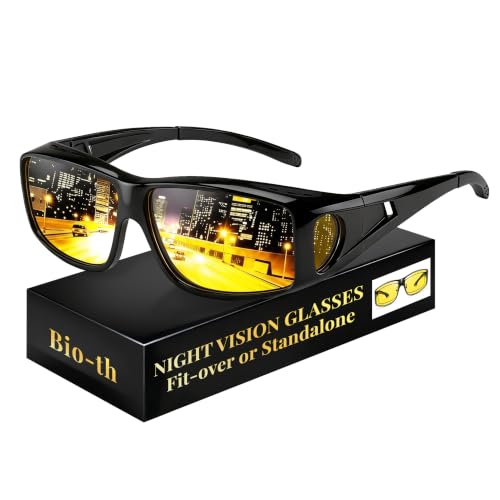
- Yellow polarized lenses reduce glare
- Fits over prescription eyewear
- Lightweight for long drives
Best For: Drivers who want glare reduction without a camera system
AI Thermal Safety Pick
InsightDrive Thermal Camera for Car

- 656 ft thermal detection range
- AI alerts for animals and pedestrians
- App-based customization and updates
Best For: Drivers wanting AI-assisted thermal hazard alerts
Fit-Over Comfort Pick
URUMQI Night Vision Driving Glasses

- Polarized yellow lenses cut glare
- Fit-over design for eyeglasses wearers
- TR90 frame with shatterproof lenses
Best For: Eyeglass wearers wanting a durable anti-glare driving option
Anti-Glare Driving Aid
Polarized Night Vision Glasses

- Anti-glare design reduces bright light discomfort
- Yellow polarized lenses boost contrast in dim light
- Lightweight frame for comfortable night use
Best For: Drivers wanting simple glare reduction for night travel
Thermal Hazard Detection
TOPDON NV001 Thermal Night Vision System

- 656-foot range supports earlier hazard awareness
- Thermal imaging helps in fog, rain, snow, and glare
- AI alerts identify people, vehicles, and animals
Best For: Drivers needing long-range thermal visibility and collision warnings
Premium Everyday Choice
ZILLERATE Night Driving Glasses
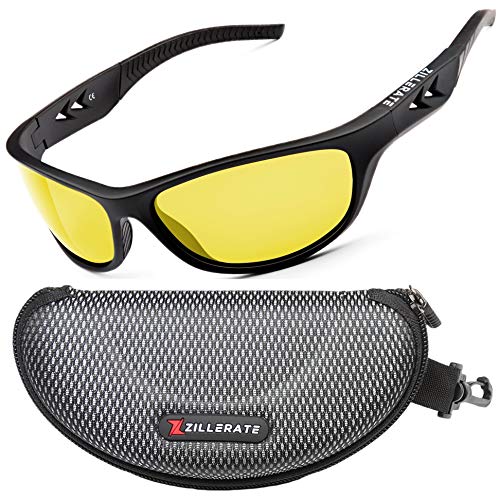
- Yellow polarized lenses reduce glare and boost clarity.
- TR90 frame is lightweight, snug, and comfortable for long drives.
- Includes case, strap, cloth, and warranty coverage.
Best For: drivers who want a comfortable all-in-one night driving pair
Value 3-Pack Fit-Over Option
KALIYADI Fit-Over Night Glasses 3-Pack

- Fits over prescription or reading glasses.
- Yellow HD lenses help improve contrast and reduce glare.
- Comes with three pairs plus pouches, cloths, and a gift box.
Best For: drivers who wear glasses and want a convenient fit-over 3-pack
Simple Budget Fit-Over
Success Eyewear Night Driving Glasses
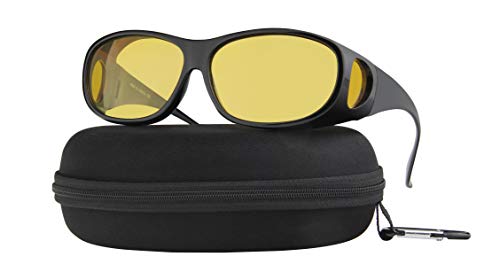
- Polarized yellow lenses help reduce headlight glare.
- Fit-over design works for use over existing glasses.
- Lightweight plastic frame keeps the build simple.
Best For: drivers who want a basic, affordable fit-over option
Thermal Road Visibility Pick – Automotive Thermal Night Vision System
If you want a night vision driving system that adds a true heat-based view, this thermal camera is built for dark roads, glare, and light fog. The 7-inch display pairs with a 256 x 192 thermal sensor to help distinguish people, vehicles, and other heat-emitting objects when visible-light cameras struggle.
Best For: Drivers who want a thermal imaging setup for extra visibility in low light, haze, and challenging nighttime conditions.
Pros:
- 256 x 192 thermal sensor with a 7-inch 1024 x 600 display
- AI-assisted recognition for pedestrians, vehicles, bicycles, and motorcycles
- Useful in darkness, headlight glare, and light fog
- Compact front camera with 9-24V compatibility for broad vehicle fitment
Cons:
- Requires installation and fitment planning before purchase
- Thermal imaging is mainly a supplemental view, not a replacement for driving attention
This is a strong choice if your priority is a dedicated thermal night vision driving system rather than a standard camera. The built-in defrost function and automotive temperature range add practical value for year-round use.
Budget Glare-Reduction Pick – Anti Glare Fit Over Night Driving Glasses
For drivers who want a simple night vision driving system accessory, these fit-over glasses focus on reducing harsh headlight glare and improving contrast. The yellow polarized lenses are designed to mute blue light from LED headlights while staying comfortable over existing eyeglasses.
Best For: Commuters, eyewear users, and drivers looking for a lightweight glare-reduction layer for night, rain, or fog.
Pros:
- Yellow polarized lenses help soften headlight glare
- Fit-over design works over most prescription glasses
- Lightweight frame is made for long driving sessions
- Useful in rain, twilight, fog, and other low-light conditions
Cons:
- Not a camera-based night vision system
- Effect is limited to visual comfort and contrast, not hazard detection
This is a practical add-on if you want a low-cost way to make night driving easier on the eyes. It is best treated as glare management gear rather than a full visibility upgrade.
AI Thermal Safety Pick – InsightDrive Thermal Camera for Car
This night vision driving system uses thermal imaging and AI alerts to help you spot hazards before they are close to the vehicle. With 656 ft of detection and recognition for vehicles, pedestrians, and animals, it is designed for drivers who want more confidence on highways, rural roads, and off-road routes.
Best For: Drivers who want a thermal dashcam-style system with AI alerts for animals, pedestrians, and vehicles.
Pros:
- 656 ft thermal detection range for early hazard awareness
- AI recognition for vehicles, pedestrians, and animals
- Real-time alerts designed to improve reaction time
- App control with customization and OTA updates
Cons:
- Requires front grille or hood-mount installation
- More involved than simple clip-on or eyewear solutions
If you want a more advanced automotive thermal solution, this model stands out for its AI-driven alerts and strong all-weather positioning. It is especially appealing for drivers concerned about animal collisions or poor nighttime visibility.
Fit-Over Comfort Pick – URUMQI Night Vision Driving Glasses
If you need a straightforward night vision driving system accessory, these fit-over glasses are designed to cut glare and sharpen contrast in low-light conditions. The polarized yellow lenses and anti-reflective coating are meant to help reduce eye fatigue during night driving, fog, rain, and cloudy weather.
Best For: Drivers who wear glasses and want a durable, wraparound anti-glare option for nighttime use.
Pros:
- Polarized yellow lens with anti-reflective coating
- Fit-over design can be worn over existing glasses
- Wraparound frame improves coverage and peripheral protection
- TR90 frame and shatterproof TAC lenses add durability
Cons:
- Like other glasses, it does not provide camera-based vision enhancement
- Best for glare reduction rather than detecting objects in darkness
This is a solid everyday option if you want more comfort behind the wheel at night without adding vehicle hardware. It focuses on reducing glare and improving clarity, which makes it a simple, practical choice.
RV Side-View Night Safety – Furrion Vision S+ Side Camera Set
If you need a night vision driving system for an RV, this Furrion Vision S+ side camera set focuses on reducing blind spots and improving lane-change confidence. Its 1080p cameras, 65-degree viewing angle, and intelligent night vision make it a practical add-on for drivers who want clearer side coverage in daylight and after dark.
Best For: RV owners who want side-camera visibility, better blind-spot coverage, and dependable low-light performance.
Pros:
- 65-degree side viewing angle helps reduce blind spots during turns and lane changes.
- 1080p resolution provides sharp image quality for day and night viewing.
- Intelligent night vision and motion detection support low-light visibility.
- Waterproof build and LED marker lights add durability and road visibility.
Cons:
- Only compatible with Vision S+ camera systems.
- Wired aftermarket installation may take more setup than a basic accessory.
As a night vision driving system for compatible RV setups, this model is strongest when you want side-camera safety rather than a universal plug-and-play option. Its value comes from better blind-spot awareness, weather-ready construction, and clear imaging in low light.
Anti-Glare Driving Aid – Polarized Night Vision Glasses
For drivers looking for a simple night vision driving system accessory, these polarized yellow glasses are designed to cut glare and make low-light roads feel clearer. The lightweight frame and UV400 protection make them easy to wear for night driving, commuting, or other evening activities.
Best For: Drivers who want a lightweight anti-glare eyewear option for night driving and other low-light activities.
Pros:
- Anti-glare technology helps reduce brightness from oncoming lights.
- Yellow polarized lenses are meant to improve contrast in dim light.
- Lightweight frame is designed for comfortable long wear.
- UV400 protection adds an extra layer of lens protection.
Cons:
- Glasses are not a camera-based driving system.
- Performance depends on fit and personal comfort.
This option is best viewed as a low-cost visual aid rather than a full vehicle-mounted system. If your main concern is glare and contrast on night drives, it offers a straightforward way to make the road easier to see.
Thermal Hazard Detection – TOPDON NV001 Thermal Night Vision System
If you want a more advanced night vision driving system, the TOPDON NV001 uses thermal imaging to extend what you can see ahead in darkness, fog, rain, and snow. With AI recognition and collision warnings, it is built for drivers who want earlier hazard detection rather than just brighter headlights.
Best For: Drivers who want thermal-based night visibility with AI hazard alerts and long-range awareness.
Pros:
- 656-foot viewing range gives you more time to react to hazards.
- Thermal imaging is designed to work in fog, rain, snow, and headlight glare.
- AI recognition identifies people, vehicles, animals, and other hazards.
- Universal compatibility makes it usable across many vehicle types.
Cons:
- Lower 384×288 thermal resolution may not match conventional camera detail.
- Requires installation with included mounting and cabling hardware.
This is the most safety-focused option in the group for drivers who need extended-range thermal visibility. It is especially compelling if you drive in poor weather or want automated alerts for road hazards at night.
Premium Everyday Choice – ZILLERATE Night Driving Glasses
If you want a simple night vision driving system upgrade without overcomplicating things, these ZILLERATE glasses focus on glare reduction and clearer contrast in low light. The yellow polarized lenses are designed to cut harsh headlights and help reduce eye strain on nighttime drives.
Best For: Drivers who want lightweight, comfortable night driving glasses with a complete accessory package.
Pros:
- Yellow polarized lenses help reduce glare from headlights and other bright light.
- TR90 frame with rubber padding is built for lightweight, snug comfort.
- Includes a hard shell case, retainer strap, microfiber cloth, and user manual.
- Backed by a 30-day money-back guarantee and 1-year free replacement warranty.
Cons:
- Only comes in one size, so fit may vary by face shape.
- Designed specifically as driving glasses, not a general-purpose optical solution.
Overall, this is a practical pick if you want a comfortable, well-rounded pair for night driving with useful extras included. The combination of polarized glare reduction and a lightweight frame makes it easy to keep in the car and use often.
Value 3-Pack Fit-Over Option – KALIYADI Fit-Over Night Glasses 3-Pack
For buyers looking for a night vision driving system solution that works over prescription glasses, this KALIYADI 3-pack is built around convenience and coverage. The yellow HD lenses and anti-reflection coating are aimed at reducing strong light and improving contrast in foggy, rainy, or dark conditions.
Best For: Drivers who wear prescription or reading glasses and want a fit-over design with extras.
Pros:
- Fit-over wraparound frame can be worn over existing glasses.
- HD yellow lenses with anti-reflection coating help improve contrast in low light.
- Air vent holes are designed to improve airflow and reduce fogging.
- Includes 3 pairs, 3 pouches, 3 cleaning cloths, and a gift box.
Cons:
- The larger fit-over frame may feel bulkier than standard glasses.
- Best suited to driving and low-light use rather than everyday fashion wear.
This is a strong practical choice if you need over-glasses coverage and want multiple pairs at once. The added side protection and vented frame make it especially useful for drivers who deal with changing weather or foggy conditions.
Simple Budget Fit-Over – Success Eyewear Night Driving Glasses
If you want a straightforward night vision driving system accessory, this Success Eyewear pair keeps things focused on glare reduction. The polarized yellow lenses are intended to soften headlights and street lights while improving clarity on nighttime roads.
Best For: Drivers who want a basic fit-over pair for night driving and road use.
Pros:
- Polarized yellow lenses are designed to reduce glare from headlights and street lights.
- Fit-over frame style can work for drivers who want to wear them over existing glasses.
- Lightweight plastic construction keeps the design simple and easy to carry.
- UV protection coating adds another practical layer for road use.
Cons:
- Basic plastic frame and lenses may feel less premium than higher-end options.
- One-size fit may not suit every face shape comfortably.
This is a no-frills pick for drivers who want glare reduction without extra accessories or complicated features. It covers the core job well and is best suited to anyone looking for a simple, affordable fit-over option.
How We Picked the Best Night Vision Driving System Options
We looked for products that solve different nighttime driving needs without overpromising. Thermal cameras and infrared systems were prioritized for true object detection and wider situational awareness, while glasses were included for drivers mainly looking to reduce glare and eye strain. We also considered detection range, viewing angle, AI alerts, ease of installation, compatibility, and whether the product is better suited to cars, trucks, RVs, or general road use.
Quick Comparison: Thermal Cameras Vs. Night Driving Glasses
Thermal and infrared systems are the stronger choice if you want actual visual assistance in darkness, especially for spotting people, animals, and obstacles beyond headlight reach. Anti-glare glasses do not add night vision, but they can make oncoming headlights, reflective signs, and wet-road glare more manageable. If you drive frequently on rural roads, tow at night, or need extra awareness in low visibility, a camera-based Night Vision Driving System is usually the better upgrade.
Key Buying Factors for a Night Vision Driving System
Detection Range and Image Type
Look at how far the system can detect hazards and whether it uses thermal imaging or infrared. Thermal cameras are typically better for picking out living things and heat signatures at distance, while infrared systems can work well for general nighttime visibility.
Mounting, Display, and Vehicle Fit
Make sure the device fits your vehicle and driving style. Some systems are designed for dash or windshield mounting, while RV observation systems may use side cameras and dedicated monitors. Glasses should be lightweight, comfortable, and compatible with prescription eyewear if needed.
Alerts and Driver Assistance Features
AI recognition, collision alerts, and object warnings can add meaningful value when you are driving at speed or in unfamiliar areas. These features are especially useful in a modern Night Vision Driving System because they help you react earlier, not just see more.
Glare Reduction and Comfort
If your main issue is headlight glare, a good polarized lens or yellow tint may be enough. For longer drives, choose lenses and frames that stay comfortable, do not slip, and do not distort vision.
Who Should Buy Which Night Vision Driving System?
Choose a thermal camera system if you want the most capable low-light visibility for rural roads, wildlife, and high-risk night driving. Choose an infrared or RV observation setup if you need vehicle-specific coverage and a wider field of view. Choose night driving glasses if your goal is simple glare reduction, especially for commuting, rideshare work, or occasional night travel. The best pick depends on whether you need true hazard detection or just a more comfortable drive after dark.