Boondocking calls for quiet, reliable power that can handle lights, phones, fans, and small appliances without tying you to shore power. The right setup should recharge efficiently, travel well, and keep your essentials running off-grid.
In this roundup, we focus on solar generator options that balance battery capacity, inverter output, and real-world portability for dispersed camping and RV use.
Best 10 Solar Generator for Boondocking Picks for 2026
Compact All-Rounder
Jackery Solar Generator 1000 v2 with 200W Solar Panel

- 1,070Wh LiFePO4 battery
- 1,500W AC output, 3,000W surge
- 23.8-lb build with app control
Best For: RV campers needing portable backup power
Ultralight Weekend Kit
Jackery Solar Generator 300 with 40W Panel

- Just 7.5 lbs for easy carry
- 300W output with 600W peak
- LiFePO4 battery with 4,000+ cycles
Best For: Light packing and small-device charging
High-Capacity Backup
Anker SOLIX S2000 Portable Power Station
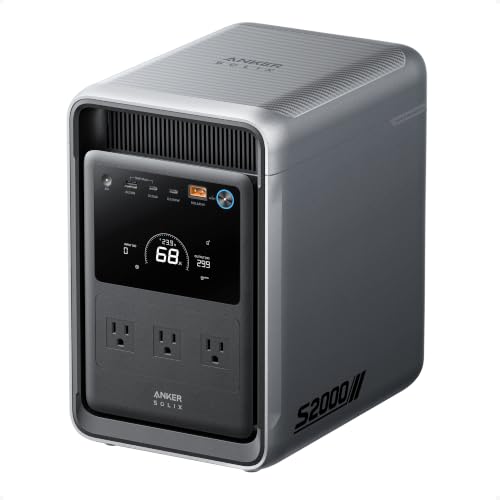
- 2,010Wh capacity for longer runtime
- 1,500W continuous, 3,000W peak
- UPS mode plus 8 outlets
Best For: Longer boondocking stays and fridge backup
Budget Starter Kit
ZeroKor 100W Solar Generator with 40W Panel

- 146Wh compact power station
- Multiple outputs for small devices
- 40W foldable panel included
Best For: Budget-minded users charging small electronics
Heavy-Duty RV Backup
Jackery HomePower 3000 for RV and Emergencies

- 3072Wh LiFePO4 battery with 3600W output
- Built-in TT-30 RV port for easy hookup
- 2x 200W panels included for solar charging
Best For: RV boondocking and high-capacity emergency backup
Compact Travel Pick
Anker SOLIX C300 for Light Off-Grid Use

- 288Wh capacity with 300W output
- Includes a 60W solar panel
- Compact, quiet, and easy to carry
Best For: Light boondocking and small-device charging
Fast-Charge Mid-Size Option
EcoFlow DELTA 3 Classic for Off-Grid Power

- 1024Wh LiFePO4 battery with 1800W output
- Charges to 80% in 45 minutes via AC
- Includes a 220W solar panel with high efficiency
Best For: Fast-recharging boondocking and common RV appliances
Ultra-Portable Solar Kit

- 288Wh LiFePO4 battery with 300W output
- Includes a 60W solar panel for charging on the road
- Compact build with multiple USB-C and USB-A ports
Best For: Short boondocking trips and small-device charging
High-Power Off-Grid Hub

- 1024Wh LiFePO4 battery with 2000W output
- Expandable up to 5120Wh with extra batteries
- Includes 100W panel and fast AC recharge
Best For: Boondocking with larger appliances and longer off-grid stays
All-in-One Solar Backup

- 1024Wh LiFePO4 battery with 1600W output
- Built-in foldable 40W solar panel
- Four charging methods for flexible recharging
Best For: All-in-one boondocking power with built-in solar convenience
Compact All-Rounder – Jackery Solar Generator 1000 v2 with 200W Solar Panel
If you want a solar generator for boondocking that can handle real campsite loads without becoming a burden to move, the Jackery Solar Generator 1000 v2 is a strong middle-ground pick. It pairs a 1,070Wh LFP battery with a 1,500W AC output, so it has the capacity for everyday RV and off-grid use while staying relatively compact at 23.8 lbs.
Best For: RV campers and boondockers who want a portable, fast-charging system for appliances, charging stations, and emergency use.
Pros:
- 1,500W AC output with 3,000W surge for appliances like fridges and electric pots
- 1,070Wh LiFePO4 battery with a claimed 10+ year lifespan
- Only 23.8 lbs with a foldable handle for easier transport
- Supports app-controlled charging modes, including quiet overnight charging
Cons:
- Fastest 1-hour charge requires emergency mode in the app
- Solar charging to 80% takes up to 6 hours with the included 200W panel
This is a practical choice if you want a balanced solar generator for boondocking that can cover more than just phones and laptops. Its mix of output, battery chemistry, and portability makes it better suited to extended travel than ultra-small starter kits.
Ultralight Weekend Kit – Jackery Solar Generator 300 with 40W Panel
The Jackery Solar Generator 300 is a lightweight solar generator for boondocking when your priority is keeping essentials powered without carrying a heavy setup. At 7.5 lbs, it is easy to pack for hikes, short camps, and travel days, and the included 40W solar panel gives you a simple off-grid charging option.
Best For: Lightweight camping, short boondocking trips, and users powering smaller devices only.
Pros:
- Very light at 7.5 lbs with an integrated handle
- 300W output with 600W peak surge for small gear
- LiFePO4 battery rated for over 4,000 cycles
- Can be recharged with the included 40W panel or a 100W panel
Cons:
- 300W output is not intended for larger appliances
- 40W panel charging is relatively slow for off-grid use
This model makes sense if you want the most portable option in the group and only need basic power. It is less of a whole-camp solution and more of a compact backup for electronics and light-duty use.
High-Capacity Backup – Anker SOLIX S2000 Portable Power Station
If your solar generator for boondocking needs to do more than charge gadgets, the Anker SOLIX S2000 is built for bigger demands. With 2,010Wh of capacity, 1,500W continuous output, and support for up to 400W solar input, it is designed for longer runs, heavier appliances, and serious off-grid backup.
Best For: Boondockers and RV users who want high capacity, fridge backup, and strong home-style power output.
Pros:
- 2,010Wh capacity with 1,500W continuous and 3,000W peak output
- Claims up to 35 hours of fridge backup
- Supports six charging methods, including solar, AC, alternator, and car input
- 8 outlets and a UPS mode with under-10 ms switchover
Cons:
- At 35.7 lbs, it is heavier than compact camping models
- No 12V DC port, which may matter for some setups
This is the most capable option here if you need a solar generator that can cover essentials for longer stretches. It favors runtime and flexibility over portability, so it is best for users who value capacity first.
Budget Starter Kit – ZeroKor 100W Solar Generator with 40W Panel
For buyers looking for an entry-level solar generator for boondocking, the ZeroKor kit keeps the price and power expectations modest. It includes a 146Wh portable power station and a 40W foldable panel, which makes it a simple way to charge small electronics when you are off-grid or dealing with a short outage.
Best For: Light camping, emergency charging, and small-device power needs on a budget.
Pros:
- Includes both a 100W-class power station and a 40W solar panel
- Multiple outputs for phones, tablets, cameras, drones, and laptops under 100W
- Built-in BMS adds short-circuit, overload, and overheating protection
- Portable panel has a 22.8% conversion efficiency rating
Cons:
- Not suitable for devices over 100W, especially heat-producing appliances
- 146Wh capacity is much smaller than other solar generator options
- Panel junction box is not waterproof
This kit is best viewed as a basic off-grid starter rather than a full boondocking power solution. It works well for small electronics and occasional backup, but users with larger RV needs will want more capacity.
Heavy-Duty RV Backup – Jackery HomePower 3000 for RV and Emergencies
If you want a solar generator for boondocking that can also double as serious backup power, the Jackery HomePower 3000 is built for bigger loads. Its 3072Wh LiFePO4 battery, 3600W output, and included 2x 200W panels make it a strong fit for RV use, off-grid essentials, and longer gaps between hookups.
Best For: RV owners, boondockers, and households that need high-capacity backup with RV-ready power.
Pros:
- 3600W output with 7200W surge handles demanding essentials like a fridge, lights, WiFi router, and more.
- Includes a built-in TT-30 RV port for plug-and-play RV use.
- Charges quickly via hybrid AC/DC, with solar support up to 80% in 9 hours using the included 2x 200W panels.
- LiFePO4 battery is rated for 4,000 cycles at 70% capacity retention.
Cons:
- At 59.5 pounds, it is not a lightweight carry.
- Solar charging is practical, but not especially fast for a unit this size.
- Its capacity and size may be more than casual campers need.
Overall, this is a high-capacity option for users who prioritize dependable output, RV compatibility, and long battery life over portability. It makes the most sense when boondocking needs look a lot closer to home backup needs.
Compact Travel Pick – Anker SOLIX C300 for Light Off-Grid Use
For a solar generator for boondocking when you only need to keep smaller devices going, the Anker SOLIX C300 keeps things compact and simple. With 288Wh of capacity, 300W output, and a 60W solar panel included, it is geared more toward light-duty charging than running big RV appliances.
Best For: Solo travelers, short trips, and light power needs in a compact, easy-to-carry setup.
Pros:
- Very compact and 15% smaller than similar designs.
- Includes a 60W solar panel for sustainable recharging on the go.
- Offers 8 charging ports, including multiple USB-C options and AC outlets.
- Quiet operation at 25dB makes it campground-friendly.
Cons:
- 300W output is limited for heavier RV or appliance use.
- 288Wh capacity is best suited to phones, tablets, and small electronics.
- The included solar panel is modest, so recharge times will depend heavily on conditions.
This is a practical pick if portability matters more than raw power. It is better for keeping essentials topped off than for supporting an entire boondocking setup.
Fast-Charge Mid-Size Option – EcoFlow DELTA 3 Classic for Off-Grid Power
The EcoFlow DELTA 3 Classic is a strong solar generator for boondocking if you want a balanced mix of output, recharge speed, and portability. Its 1024Wh LiFePO4 battery, 1800W AC output, and included 220W solar panel make it a versatile choice for RV trips, camping, and off-grid use.
Best For: Boondockers who want fast charging and enough output for common appliances.
Pros:
- 1800W output with 3600W surge can handle refrigerators, microwaves, laptops, and similar loads.
- 0-80% AC charging in just 45 minutes is excellent for quick turnarounds.
- Includes a 220W solar panel with up to 25% conversion efficiency.
- Under 10ms UPS support helps protect sensitive electronics.
Cons:
- Not as high-capacity as larger systems for multi-day heavy use.
- Solar recharge at 5.8 hours is solid, but still depends on sun and placement.
- The included setup arrives in separate shipments.
This model stands out for fast recovery and practical everyday power in an off-grid setting. It is a smart middle ground when you need more capability than a compact unit but do not want a huge, heavy system.
Ultra-Portable Solar Kit – Anker SOLIX C300 DC
If you want a solar generator for boondocking that stays easy to carry, the Anker SOLIX C300 DC is built for lightweight trips and basic off-grid charging. Its 288Wh LiFePO4 battery, 300W output, and included 60W solar panel make it a practical pick for keeping phones, cameras, tablets, and similar gear powered without adding much bulk.
Best For: Short boondocking trips, traveling light, and charging small electronics from solar or a vehicle.
Pros:
- Very compact design that is 30% smaller than similar power stations.
- Includes a 60W solar panel for simple solar charging on the go.
- Fast recharging options, including up to 80% in an hour via dual PD 3.1 USB-C.
- Multiple USB-C, USB-A, and car socket ports for everyday devices.
Cons:
- 300W output is better for smaller devices than heavy appliances.
- 60W panel is modest for faster solar replenishment.
- Not compatible with several Anker PS-series panels listed in the notes.
For boondockers who value portability over raw power, this is a convenient grab-and-go option. It makes the most sense for lighter electrical needs and quick top-ups rather than running demanding RV equipment.
High-Power Off-Grid Hub – OUPES Mega 1
For a solar generator for boondocking that can handle more than just phone charging, the OUPES Mega 1 brings a 1024Wh LiFePO4 battery, 2000W AC output, and an included 100W solar panel. It is designed for campers and RV travelers who want serious output, fast AC recharging, and expandable capacity for longer stays off-grid.
Best For: Boondockers who need high AC output for larger appliances and want expandable storage.
Pros:
- 2000W pure sine wave AC output with 4500W surge for demanding devices.
- Expandable from 1024Wh to 5120Wh with extra batteries.
- Very fast AC recharge, reaching 0-80% in 36 minutes.
- Includes a 100W solar panel and supports up to 800W solar input.
Cons:
- Heavier and larger than compact portable units at 27.8 lbs.
- Full expandability requires additional extra batteries.
- The included 100W panel is useful, but not enough to match the system’s maximum solar input.
If your boondocking setup needs to run more power-hungry gear, this model stands out for output and flexibility. The combination of strong AC performance, fast charging, and expansion potential makes it a solid off-grid workhorse.
All-in-One Solar Backup – BLAVOR S1600
If you want a solar generator for boondocking with built-in solar capability, the BLAVOR S1600 offers a 1024Wh LiFePO4 battery, 1600W rated output, and a foldable 40W panel integrated into the unit. That makes it a straightforward option for campers and RV users who want a clean, quiet power source with multiple ways to recharge.
Best For: Boondockers who want an all-in-one solar generator with built-in panel convenience.
Pros:
- Built-in foldable 40W solar panel for always-available solar charging.
- 1024Wh capacity and 1600W output can handle many common appliances.
- LiFePO4 battery is rated for over 3500 cycles and long service life.
- Four charging methods, including wall, car, built-in solar, and external panels.
Cons:
- The built-in 40W panel is convenient, but relatively small for rapid solar charging.
- Not as high-output as some larger 2000W-class solar generators.
- Bulkier than small portable power stations made for light travel.
This unit is appealing if you want solar convenience without piecing together separate components. It balances versatility and capacity well, though boondockers with bigger power demands may want a larger output class.
How We Picked the Best Solar Generator for Boondocking
We prioritized Solar Generator for Boondocking use cases that reward practical performance over inflated specs. That means a strong mix of usable battery capacity, dependable AC output, LiFePO4 battery chemistry, solar input compatibility, and a form factor that makes sense for travel.
We also looked for clear charging options, enough output for common campsite loads, and models suited to different trip lengths, from weekend overnights to longer stays away from hookups.
Quick Comparison
For light use, compact units are best for phones, tablets, cameras, fans, and LED lighting. Mid-size systems add more flexibility for laptops, CPAP machines, and portable coolers. Larger power stations are better when you want longer runtime, faster replenishment from solar, or the ability to support higher-draw appliances.
When comparing options, focus on watt-hours for runtime, inverter wattage for what the unit can power, and solar panel input for how quickly you can recharge in camp.
Key Buying Factors for Solar Generator for Boondocking
Battery Capacity
Watt-hours determine how long the system can run your gear. Smaller capacities work for basic electronics, while larger batteries are more appropriate for extended off-grid stays.
Inverter Output
Check continuous AC output and surge rating to make sure the unit can start demanding devices. If you plan to run kitchen appliances or power tools, higher output matters.
Solar Recharging Speed
A good Solar Generator for Boondocking should accept enough solar input to make daytime recharging realistic. Fast recharge support can be especially helpful if you camp in variable weather or move often.
Portability and Size
Weight, handle design, and panel portability matter more than many buyers expect. A smaller unit is easier to store in an RV, truck bed, or tow vehicle, while larger systems usually trade convenience for endurance.
Battery Chemistry and Durability
LiFePO4 batteries are a strong choice for boondocking because they typically offer longer cycle life and better long-term value than older battery types.
Who Should Buy Which Solar Generator for Boondocking?
Choose a compact model if you only need backup power for essentials and short trips. Choose a mid-range unit if you want a practical balance of runtime, recharge speed, and portability. Choose a larger system if you boondock frequently, run multiple devices at once, or want more confidence during cloudy stretches.
If your priority is simplicity, pick a kit with panels included. If you already own solar panels or want to customize your setup, a standalone power station may offer better flexibility.