Cold feet can end an otherwise excellent ride. The best cycling socks for winter combine insulation, moisture management, a secure fit, and enough breathability to keep your feet warm without making cycling shoes feel cramped.
We compared 10 winter-ready options, from merino wool and thermal crew socks to windproof designs and neoprene toe warmers, so you can choose the right level of protection for your routes, shoes, and climate.
Best 10 Cycling Socks for Winter Picks for 2026
Merino Warmth
GripGrab Merino Winter Cycling Socks

- Merino blend insulates and helps manage odor
- Padded sole adds cold-weather protection
- Stretch arch supports a secure fit
Best For: Cold rides requiring soft merino comfort
Performance Crew
Smartwool Bike Targeted Cushion Cold Weather Socks

- Durability-focused Indestructawool construction
- Mesh zones improve breathability
- Seamless toe and crew height add comfort
Best For: Performance-minded riders under tights
Maximum Coverage
CASTELLI Venti Soft Merino Sock

- Thickest Castelli cycling sock for extra warmth
- Tall 20 cm cuff covers the lower leg
- Merino blend wicks moisture and insulates
Best For: Frigid road, gravel, and training rides
High-Cut Value
GripGrab Thermo SL Winter Cycling Socks

- 19 cm cuff boosts lower-leg coverage
- Thermolite fibers trap air and wick moisture
- Single and three-pack options offer flexibility
Best For: Frequent winter riders wanting tall, practical coverage
Best All-Season Value
Merino Wool Cushioned Cycling Socks

- 50% merino wool blend with moisture control
- Terry cushioning and seamless toe
- Three-pair pack for versatile everyday use
Best For: Everyday winter riding, hiking, work, and casual wear
Best Wind Protection
Extra-Long Thermal Cycling Socks

- Extra-high cut reaches about halfway up the calves
- Windproof and fleece-lined for cold rides
- Flat-lock seams help reduce chafing
Best For: Windy spring, fall, and milder winter cycling
Best Toe Insulation
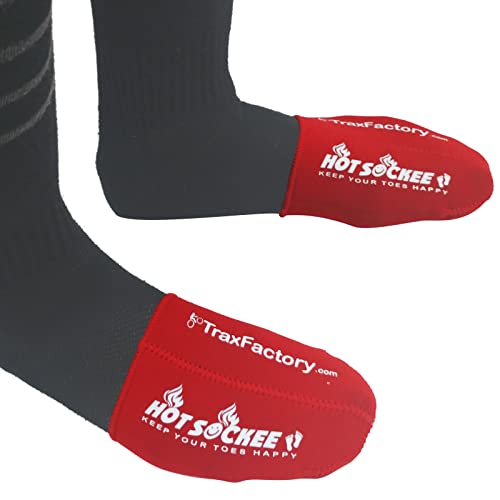
- 1.5mm neoprene adds targeted toe insulation
- Uses less room than thicker or double socks
- Reusable for cycling and multiple winter activities
Best For: Cold toes in snug cycling shoes, boots, or outdoor footwear
Premium Merino Pick
DeFeet Woolie Boolie 6" Cycling Socks

- 70% Merino wool for warmth and moisture management
- Insulated zones and plush full-foot cushioning
- Made in the USA; versatile for cycling and hiking
Best For: Riders wanting premium, cushioned Merino warmth
Heavyweight Value Pack
Merino Wool Thermal Hiking Socks

- Heavyweight 50% Australian Merino wool blend
- Cushioning and reinforced heel and toe areas
- Three-pair pack for cycling and outdoor use
Best For: Cold-weather riders needing warmth and sock rotation
Budget Multipack

- Three-pair polyester cycling sock pack
- Moisture-wicking fabric with light cushioning
- Mid-calf fit for US sizes 4 to 8.5
Best For: Smaller-footed riders wanting an affordable multipack
Merino Warmth – GripGrab Merino Winter Cycling Socks
If you want cycling socks for winter that balance warmth, softness, and breathability, these GripGrab socks are a practical choice. Their merino blend helps regulate temperature and resist odor, while the padded sole adds insulation for cold rides.
Best For: Cold-weather cyclists who want merino comfort, a secure fit, and extra sole cushioning.
Pros:
- Merino content helps insulate even when damp and supports thermal regulation.
- Padded sole provides additional protection from cold and wind.
- Stretch arch zones help keep the socks securely in place.
- Machine washable at 30°C.
Cons:
- They are not water resistant, so they may need overshoes in wet or deep-winter conditions.
- The crew-style length may provide less lower-leg coverage than a high-cut winter sock.
These are a well-rounded option for regular winter riding, especially when you value natural-fiber comfort and moderate coverage. Pair them with overshoes for harsher conditions.
Performance Crew – Smartwool Bike Targeted Cushion Cold Weather Socks
For cycling socks for winter with a performance-focused fit, Smartwool’s Bike Targeted Cushion model combines merino wool with targeted cushioning and breathable mesh zones. Its crew height also adds coverage under tights.
Best For: Riders who want durable, performance-oriented wool socks with extra warmth and targeted cushioning.
Pros:
- Indestructawool technology is designed for enhanced durability.
- Body-mapped mesh zones add breathability.
- Virtually seamless toe helps reduce irritation.
- Crew height provides additional warmth under tights.
Cons:
- The fabric is listed as having no stretch, so fit selection matters.
- They are not water resistant.
- The notes identify the sport type as running, despite the bike-specific design.
This model suits cyclists who prioritize a structured, long-wearing sock and useful ventilation zones. The seamless toe is a worthwhile comfort detail for longer rides.
Maximum Coverage – CASTELLI Venti Soft Merino Sock
These cycling socks for winter are built for especially cold road, gravel, and training rides. Castelli describes the Venti as its thickest cycling sock, with a merino blend and a tall 20 cm cuff for extra coverage beneath tights or leg warmers.
Best For: Riders facing frigid conditions who want thick insulation and extended lower-leg coverage.
Pros:
- Thick construction provides substantial thermal insulation.
- Merino blend offers natural insulation and moisture-wicking properties.
- 20 cm cuff adds warmth and coverage up the lower leg.
- Soft, non-itch feel is suited to all-day wear.
Cons:
- The thickest construction may feel too warm for milder winter rides.
- They are not listed as water resistant.
- The supplied details list the fabric type as 100% nylon, which may warrant checking the product label if fiber composition is important to you.
Choose the Venti when maximum warmth and coverage matter more than a lightweight feel. Its tall cuff makes it particularly suitable for pairing with winter tights or leg warmers.
High-Cut Value – GripGrab Thermo SL Winter Cycling Socks
If coverage and pack value are priorities, these cycling socks for winter use hollow-fiber Thermolite construction, a padded sole, and a high 19 cm cuff. Single and three-pack options make it easier to stock up for frequent riding.
Best For: Winter cyclists seeking tall, insulated socks that fit most summer cycling shoes.
Pros:
- Thermolite hollow fibers help trap air and wick moisture.
- 19 cm high-cut design provides extra lower-leg insulation.
- Padded sole adds comfort and protection from cold air.
- Available as a single or three-pack option.
Cons:
- They are not water resistant.
- The thicker construction may require checking shoe fit, even though they are designed to fit most summer cycling shoes.
- The supplied details classify the fabric weight as lightweight despite the padded thermal design.
This is a sensible choice for riders who want high coverage without moving to a heavier winter shoe. The multi-pack option is especially practical for regular commuters or training schedules.
Best All-Season Value – Merino Wool Cushioned Cycling Socks
For shoppers comparing cycling socks for winter, these RUIXUE crew socks offer a versatile merino-wool blend, moderate thickness, and terry cushioning. They are not cycling-specific, but the seamless toe, moisture control, and compatibility with boots or athletic shoes make them a practical option for casual winter rides and everyday cold-weather wear.
Best For: Riders who want a three-pair, all-season sock for cycling, hiking, work, and general winter use.
Pros:
- 50% merino wool helps provide softness, warmth, and moisture control.
- Terry-cushioned soles add comfort in high-wear areas.
- Seamless toes and Lycra stretch help reduce rubbing, bunching, and slipping.
- Three pairs and multiple U.S. sizes offer useful everyday value.
Cons:
- Moderate thickness may provide less insulation than a dedicated heavy winter cycling sock.
- The crew height may offer less lower-leg protection than over-the-calf cycling socks.
- These are general athletic socks rather than cycling-specific socks.
This is the most flexible choice of the three if you need cycling socks for winter plus a sock that works across other activities. Choose a dedicated cycling model instead if wind protection and extra height are your top priorities.
Best Wind Protection – Extra-Long Thermal Cycling Socks
Among cycling socks for winter, the GripGrab Windproof Thermal Socks are the most purpose-built for cold-weather riding. Their extra-high cut reaches roughly halfway up the calves, while the fleece lining and windproof material help limit cold-air exposure during windy spring, fall, and milder winter rides.
Best For: Cyclists riding in cold wind who want tall, fleece-lined socks with breathable construction.
Pros:
- Extra-high design provides more coverage than standard crew socks.
- Windproof polyester material helps protect against wind chill.
- Fleece lining and pre-shaped construction support warmth and comfort.
- Flat-lock seams help minimize chafing and pressure points.
Cons:
- Designed for spring and fall conditions, so it may not be warm enough for the harshest winter rides.
- Sold as a single pair.
- Not water resistant, according to the supplied details.
This is the strongest match for riders who prioritize cycling-specific fit, calf coverage, and wind protection. It is especially suitable for damp, cold days when you want breathable insulation without relying on overshoes.
Best Toe Insulation – Thin Neoprene Toe Warmers
These neoprene toe warmers take a different approach to cycling socks for winter: they add insulation around the toes without covering the entire foot. The 1.5mm neoprene layer is designed to fit inside shoes or boots, making it useful when thicker socks would feel bulky or leave too little room.
Best For: Cyclists and outdoor workers who mainly need extra toe warmth in snug footwear.
Pros:
- Thin 1.5mm neoprene adds a barrier against wind, chill, and frost.
- Designed to work with a single sock while using less space than double socks.
- Seamless-side design improves comfort and durability.
- Reusable and suitable for cycling, hiking, winter sports, and work boots.
Cons:
- They warm the toes rather than replacing a full-length winter cycling sock.
- Correct sizing is important, with fit based on foot width.
- They may be less suitable when you need warmth throughout the entire foot and lower leg.
Choose these when cold toes are the main problem or your cycling shoes cannot accommodate thicker socks. For full-foot warmth and calf coverage, pair them with an appropriate cycling sock or select the GripGrab model instead.
Premium Merino Pick – DeFeet Woolie Boolie 6" Cycling Socks
For cyclists seeking cycling socks for winter with a soft, cushioned feel, the DeFeet Woolie Boolie combines Merino wool warmth with targeted insulation. Its crew length and versatile construction suit rides, winter sports, hiking, and everyday wear.
Best For: Riders who want premium Merino warmth, cushioning, and versatile cold-weather comfort.
Pros:
- 70% Merino wool offers warmth, breathability, moisture management, and softness.
- Insulated toe box, heel pocket, footbed, and front help protect key areas from the cold.
- Full-foot and top-foot padding plus arch support provide plush comfort.
- Made in the USA with a locally focused, recycled-material supply chain.
Cons:
- Only one pair is included.
- Not water resistant.
The Woolie Boolie is a strong choice when comfort and natural wool performance matter more than pack size. Its substantial cushioning may also appeal to riders who prefer a plush sock fit.
Heavyweight Value Pack – Merino Wool Thermal Hiking Socks
These heavyweight Merino wool socks are a practical option for cycling socks for winter when you want thermal coverage and multiple pairs. Their mid-calf profile, cushioning, and moisture management also work well for boots, hiking, skiing, and outdoor work.
Best For: Cold-weather cyclists and outdoor users who value heavyweight warmth and a three-pair pack.
Pros:
- Heavyweight fabric uses a 50% Australian Merino wool blend for temperature regulation.
- Moisture-wicking, breathable construction helps manage sweat and odor.
- Targeted cushioning and reinforced heel and toe areas support comfort and durability.
- Three-pair pack offers convenient rotation for outdoor use.
Cons:
- Designed primarily as hiking socks rather than cycling-specific socks.
- Heavyweight construction may take up more room in cycling shoes.
- Only the listed white geometric option is specified.
Choose this pack if you prioritize warmth, cushioning, and rotation over a lightweight cycling-specific design. Check shoe fit carefully because the heavyweight build may feel substantial.
Budget Multipack – Winter Mountain Bike Socks
3 Pack Black Winter Cycling Socks for Men and Women, Mountain Bike Socks, Fit US Size 4 to 8.5
Check Price On AmazonFor shoppers comparing affordable cycling socks for winter, this three-pack offers a polyester mid-calf design with light cushioning and moisture-wicking construction. It is sized for US 4 to 8.5 and is positioned for road cycling, mountain biking, and running.
Best For: Smaller-footed riders who want a basic three-pack for winter cycling and other sports.
Pros:
- Three pairs provide convenient everyday rotation.
- Polyester construction is designed to wick moisture.
- Light cushioning and shock-reducing padding add ride comfort.
- Mid-calf length provides additional coverage for winter activities.
Cons:
- Listed fit is limited to US sizes 4 to 8.5.
- Hand-wash-only care is less convenient than machine washing.
- Polyester construction does not provide the natural wool warmth of Merino socks.
This pack makes sense for riders who want straightforward coverage and cushioning at a practical price, especially within the specified size range. It is less suited to cyclists seeking premium wool insulation or broad sizing.
How We Picked the Best Cycling Socks for Winter
We focused on features that matter during real cold-weather rides: insulation, moisture control, height, cushioning, stretch, seam comfort, and compatibility with cycling shoes. The selection includes dedicated bike socks as well as versatile merino and hiking socks that may work for commuting, gravel riding, touring, or winter sports. We also considered options for riders who need extra wind protection or targeted warmth around the toes.
Because winter conditions vary widely, no single sock is ideal for every rider. A thin merino sock may suit a close-fitting shoe and moderately cold weather, while a thicker thermal or neoprene layer may be better for freezing temperatures or exposed descents.
Quick Comparison
| Best For | Recommended Type | Why It Works |
|---|---|---|
| Balanced warmth | Merino cycling socks | Warm, breathable, and odor resistant |
| Wet or variable weather | Thermal or windproof socks | Adds insulation and protection from cold airflow |
| Very cold toes | Neoprene toe warmers | Provides focused protection inside shoes or boots |
| Maximum cushioning | Heavyweight wool socks | Extra padding and insulation |
| Value and rotation | Multipacks | Useful for frequent riding and commuting |
Key Buying Factors for Cycling Socks for Winter
Material and Insulation
Merino wool is a strong all-around choice because it regulates temperature, handles moisture, and resists odors. Synthetic thermal fibers can dry quickly and often provide a snug, durable fit. Neoprene is warmer and more weather-resistant, but it can feel less breathable and bulkier inside a shoe.
Thickness and Shoe Fit
Check the available room in your cycling shoes before choosing heavyweight socks. Thick cushioning can improve comfort, but excessive bulk may restrict circulation or create pressure points. For tight shoes, choose a thin thermal sock or a toe warmer rather than simply sizing up the sock.
Height, Cuff, and Weather Protection
A taller cuff helps reduce drafts between the shoe and tights, while windproof construction is useful on fast descents and exposed roads. For wet conditions, remember that warm socks are not necessarily waterproof; shoe covers may still be needed.
Seams, Cushioning, and Fit
Look for a smooth or seamless toe, supportive stretch, and cushioning in high-impact areas. A sock should stay in place without compressing the ankle or calf uncomfortably. If you have circulation concerns, prioritize a nonrestrictive fit.
Who Should Buy Which Cycling Socks for Winter?
Choose merino cycling socks if you want versatile warmth, odor control, and comfort across changing temperatures. Choose thermal or windproof high-cut socks for regular winter riding, cold descents, or windy routes. Choose heavyweight hiking-style wool socks if warmth and cushioning matter more than a close race fit, provided your shoes have enough space. Choose neoprene toe warmers if your main problem is cold toes and your existing socks already fit well. Choose a multipack if you commute or train often and want several pairs available between washes.
Before buying, compare the sock’s thickness with your shoe’s interior volume, review the size chart, and consider pairing winter socks with insulated insoles or shoe covers for the coldest rides.