Choosing an aftermarket blind spot detection system can make lane changes, merging, and highway driving feel far more controlled. The right kit adds an extra layer of awareness without requiring a factory upgrade.
Below, we compare 10 options with a focus on sensor type, warning style, installation complexity, and everyday usability so you can match the system to your vehicle and driving needs.
Best 10 Aftermarket Blind Spot Detection System Picks for 2026
Radar Lane Change Kit
24GHz BSD Kit for 12V Vehicles

- Dual 24GHz radar sensors
- 1–32.8 ft detection range
- Multi-mode light and buzzer alerts
Best For: 12V drivers wanting radar blind-zone alerts
Camera Display Monitor

- 6.25-inch IPS touch display
- 1080P dual-side camera views
- Includes recording and warning features
Best For: Drivers who want live blind-spot video and recording
Integrated Radar Upgrade
RDBS-1600 Blind Spot and Cross Traffic

- Blind spot plus cross traffic detection
- Radar-based speed-aware alerts
- Adjustable buzzer volume
Best For: Integrated radar coverage with cross traffic detection
Plastic-Bumper Radar Alert

- Two 24GHz microwave sensors
- 6–12 meter blind-zone monitoring
- Plastic-bumper vehicles only
Best For: Plastic-bumper 12V vehicles needing radar alerts
Mirror-Mount Warning Light
Compact Side-Mirror Blind Spot Aid

- Bright visual reminder near the mirror area
- Helps with lane changes, merging, and parking
- Simple setup on a wide range of vehicles
Best For: Drivers who want a low-profile mirror-side blind spot warning light
77GHz Radar BSD
Universal 12V Blind Spot Monitor

- 77GHz radar with LED and buzzer alerts
- BSD, LCA, DOW, AOA, and RCTA functions
- Designed for moving-object detection in tough weather
Best For: Drivers who want a radar-based blind spot system with multiple alert modes
24GHz BSD Assistant
Rear Bumper Lane-Change Monitor

- Two bumper probes track nearby vehicles
- Flashing light plus BI BI BI audible alert
- IP67 build with continuous monitoring
Best For: Drivers who want a bumper-mounted monitor with visual and audible warnings
Budget 24GHz Radar Kit

- 24GHz dual-radar blind spot monitoring
- BSD, LCA, and DOW alert functions
- Best on DC12V vehicles with plastic bumpers
Best For: Drivers needing a basic radar blind spot system for compatible 12V vehicles
77GHz Feature-Rich Pick
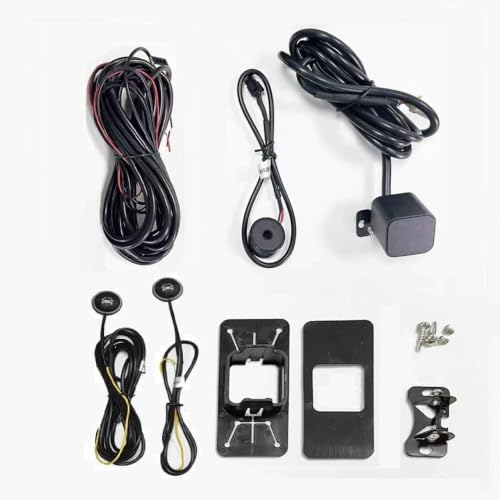
- 77GHz radar with 4T4R chip for higher precision
- Adds AOA, B-pillar, and RCTA alerts
- Fits metal or plastic bumpers on DC9-16V vehicles
Best For: Drivers wanting the broadest radar coverage and stronger anti-interference
Ultrasonic Basic Assist Kit
Pyle Blind Spot Detection System

- 5m by 2.5m ultrasonic detection coverage
- BSD, LCA, and RCTA alert functions
- Made for 12V vehicles with LED and buzzer warnings
Best For: Drivers who want a simple ultrasonic blind spot and reverse assist kit
Radar Lane Change Kit – 24GHz BSD Kit for 12V Vehicles
If you want an aftermarket blind spot detection system that relies on radar rather than cameras, this 24GHz kit is built for basic blind-zone monitoring on 12V sedans, SUVs, and pickups. It uses dual millimeter-wave sensors to watch the rear and side zones, then adds light and buzzer alerts when a vehicle enters the detection area.
Best For: Drivers who want a universal radar-based blind spot warning kit for a 12V car, SUV, or pickup.
Pros:
- Dual 24GHz radar sensors with a 1–32.8 ft detection range
- Multi-mode alerts for signal off, signal on, and hazard-light situations
- Designed for most DC 12V vehicles including sedans, SUVs, and pickup trucks
- Useful in low-visibility conditions like rain, snow, fog, and night driving
Cons:
- Professional installation is recommended
- Sensor placement, angle, height, and wiring must be set carefully for proper operation
- Radar sensors cannot penetrate metal surfaces
This is a practical pick if your priority is dependable radar-based lane-change warning with straightforward alert logic. The tradeoff is installation complexity, so it makes the most sense for buyers comfortable with professional setup.
Camera Display Monitor – AI Blind Spot Camera System
This aftermarket blind spot detection system uses side cameras and a dashboard display instead of radar, giving you a live view of the left and right blind areas. The 6.25-inch IPS touch screen shows rear-left and rear-right views at the same time, and the system can also switch to single-view angles for a more focused look.
Best For: Drivers who want a camera-based blind spot monitor with a built-in display and recording function.
Pros:
- 6.25-inch HD IPS touch display with automatic brightness adjustment
- 1080P cameras with 120° adjustable viewing angle
- Simultaneous left and right blind-spot viewing
- Supports driving recorder function and sound/light warning on model A65S
Cons:
- Uses a 5V system with USB connection and host unit, so installation is more involved than a simple warning light kit
- Designed for surface mount installation with camera placement on the door sides
- Product fit is described with a tablet-compatible spec, so buyers should verify vehicle setup carefully
Choose this system if you prefer seeing the blind spot directly rather than relying only on alerts. Its added dashcam-style recording and waterproof camera design make it a more feature-rich option, but also a more complex one to install.
Integrated Radar Upgrade – RDBS-1600 Blind Spot and Cross Traffic
For buyers who want a more integrated aftermarket blind spot detection system, this radar unit adds blind spot detection, lane change assist, and cross traffic detection in one package. It is designed to blend into the vehicle and uses radar logic to trigger alerts based on vehicle speed and approach distance.
Best For: Drivers looking for an integrated radar system with cross traffic detection and adjustable audible alerts.
Pros:
- Combines blind spot detection, lane change assist, and cross traffic functionality
- Radar-based speed sensing helps tailor alerts for passing and being passed situations
- High-accuracy sensors aim to reduce false triggers
- Audible buzzer volume can be adjusted with Hi-Low-Off switching
Cons:
- Professional installation is implied by the integrated setup and vehicle integration design
- System is intended for 12V/24V DC operation, so vehicle compatibility must be checked
- Works through specific harness lengths and sensor placement, so installation planning matters
This is the most feature-oriented option in the group if you want radar detection plus cross traffic coverage and a more factory-like install. It suits drivers who value integration and configurable alerts over a quick DIY add-on.
Plastic-Bumper Radar Alert – EASYGUARD EBS001 BSD System
If you need an aftermarket blind spot detection system for a DC12V vehicle with a plastic bumper, this EASYGUARD kit offers radar-based lane-change alerts in a compact package. Two 24GHz microwave sensors monitor the rear side zones and trigger flashing LED and buzzer warnings when moving objects enter the blind area.
Best For: DC12V vehicles with plastic bumpers that need a radar blind spot warning kit.
Pros:
- Two 24GHz microwave sensors for rear-side blind-zone detection
- 6–12 meter monitoring range with speed-gap detection
- Lane-change mode adds rapid flashing plus three buzzer beeps
- Fits most DC12V sedans, compact cars, SUVs, MPVs, and pickups
Cons:
- Works only with plastic bumpers, not metal bumpers
- Professional audio installer installation is required
- Not suitable if you want a camera-based visual display
This model is a straightforward choice if your vehicle meets the plastic-bumper requirement and you want radar alerts without extra display hardware. It is best for drivers who want a basic lane-change warning system built around simple light-and-sound feedback.
Mirror-Mount Warning Light – Compact Side-Mirror Blind Spot Aid
If you want an aftermarket blind spot detection system without major vehicle changes, this Mobestech kit is a simple visual aid for everyday lane changes, merging, and parking. It adds a bright reminder near the side mirror to help you notice cars and pedestrians in harder-to-see areas.
Best For: Drivers who want a low-profile blind-spot warning light that is easy to add near the mirror area.
Pros:
- Helps identify vehicles and pedestrians in blind areas during lane changes and parking.
- Provides a bright warning light for quick visual awareness.
- Made for a simple setup across a wide range of vehicles.
- Low-profile size sits neatly near the mirror area.
Cons:
- Offers visual support rather than a full radar-based monitoring suite.
- Details on advanced sensing features are limited in the supplied notes.
This is a practical pick if your priority is a straightforward blind-spot reminder rather than a more complex sensor package. The compact design and mirror-focused layout make it easy to understand and use for daily driving support.
77GHz Radar BSD – Universal 12V Blind Spot Monitor
For shoppers comparing an aftermarket blind spot detection system, this BY-J radar unit stands out for using 77GHz automotive-grade sensing with side and rear coverage. It is designed to warn only on moving objects, which can help reduce unnecessary alerts during normal driving.
Best For: Drivers who want a radar-based blind spot system with lane-change, door-open, and reversing alerts.
Pros:
- Uses a 77GHz radar chip with a 3.5m x 70m detection range.
- Provides LED and buzzer alerts for moving objects in blind spots.
- Includes BSD, LCA, DOW, AOA, B-pillar warning, and RCTA functions.
- Built to operate in rain, fog, sandstorms, and extreme temperatures.
Cons:
- Fits only DC12V vehicles up to 4.7m unless an extension cable is purchased.
- Only works with plastic bumpers, not metal ones.
- Installation requires wiring and installation planning.
This is the most feature-rich option in the group, especially if you want broader warning coverage beyond simple lane-change assistance. Its radar-based approach is better suited to drivers looking for a more complete monitoring setup.
24GHz BSD Assistant – Rear Bumper Lane-Change Monitor
If you’re shopping for an aftermarket blind spot detection system focused on straightforward rear coverage, this 24GHz BSD assistant uses two bumper-mounted probes to analyze distance, speed, and movement direction. It is built to flash an indicator when a vehicle approaches and add an audible warning if you still attempt a lane change.
Best For: Drivers who want a bumper-mounted blind spot monitor with clear visual and audible alerts.
Pros:
- Uses two rear bumper probes for ongoing blind spot monitoring.
- Flashing light plus BI BI BI alert adds a second warning stage.
- Continuous detection can help in traffic, bad weather, and highway driving.
- IP67 rating and 24GHz sensing add practical durability.
Cons:
- Detection details are more limited than higher-end radar systems.
- Compatible device notes are broad, but installation specifics are not detailed here.
This model is a good middle-ground option if you want active blind-spot monitoring without moving up to a more complex feature set. The two-stage warning approach makes its alerts easy to understand during everyday lane changes.
Budget 24GHz Radar Kit – BY-J 24GHz Blind Spot Radar
If you want an aftermarket blind spot detection system for basic lane-change and reversing support, this BY-J 24GHz kit is a straightforward option for DC12V vehicles. It uses two radar sensors to monitor the rear left and right blind spots and warns with LED indicators and a buzzer when moving objects are detected.
Best For: Drivers of 12V cars, SUVs, MPVs, and pickups who want a simple radar-based blind spot alert system for plastic-bumper vehicles.
Pros:
- 24GHz radar monitors left and right rear blind spots in real time
- Supports BSD, LCA, and DOW warnings for lane changes and door opening
- Works automatically with engine start/stop and ignores stationary objects
- Includes LED indicators, buzzer alerts, English manual, and wiring diagram
Cons:
- Fits DC12V vehicles only
- Only compatible with plastic rear bumpers, not metal ones
- Vehicle length over 4.7m may need an extension cable
This is a practical pick if you want core blind spot coverage without extra complexity. It focuses on moving-object alerts and keeps false warnings down, but fitment limits matter before you buy.
77GHz Feature-Rich Pick – BY-J 77GHz BSD System
This aftermarket blind spot detection system is the most feature-rich option in the group, using 77GHz millimeter-wave radar and a 4T4R automotive-grade chip for stronger precision and anti-interference. It covers blind spots for driving, lane changes, reversing, and overtaking, while adding rear cross traffic alert and B-pillar warning functions.
Best For: Drivers who want a higher-end radar-based safety kit with broader detection coverage and better performance in poor weather.
Pros:
- 77GHz radar offers improved precision, range, and anti-interference versus 24GHz
- Adds AOA active overtaking warning and B-pillar hidden-vehicle detection
- Includes BSD, LCA, DOW, and RCTA functions for wider coverage
- Compatible with metal or plastic rear bumpers and DC9-16V vehicles
Cons:
- Still limited to vehicles up to 4.7m unless an extension cable is purchased
- Advanced features may be more than some drivers need
- Requires proper installation and wiring like other hardwired kits
If you want the most complete feature set and the strongest radar spec here, this BY-J unit is the standout. Its broader alert coverage makes it a better fit for drivers who want extra help during overtaking, reversing, and lane changes.
Ultrasonic Basic Assist Kit – Pyle Blind Spot Detection System
The Pyle ultrasonic kit is an aftermarket blind spot detection system aimed at simple lane-change and reverse-assist coverage on 12V vehicles. It uses two ultrasonic sensors and LED/buzzer alerts to monitor nearby traffic, with a 5-meter detection length and 2.5-meter width.
Best For: 12V car owners who want a straightforward ultrasonic blind spot and reverse parking aid with basic alert outputs.
Pros:
- 5-meter detection length with 2.5-meter width for nearby lane monitoring
- Includes BSD, LCA, and RCTA functions
- Two ultrasonic sensors plus LED monitor and buzzer alerts
- Designed for 12V battery vehicles with a low 5W maximum power draw
Cons:
- Ultrasonic design is less advanced than millimeter-wave radar systems
- Compatible with 12V vehicles only
- Detection range is shorter than the radar-based options in this roundup
This is a practical choice if you want a basic parking-and-blind-spot aid rather than a more advanced radar system. Its simplicity is appealing, but the shorter range and ultrasonic tech make it best for drivers with modest expectations.
How We Picked the Best Aftermarket Blind Spot Detection System
We focused on systems that offer meaningful blind-zone coverage, clear driver alerts, and broad vehicle compatibility. We also weighed sensor technology, weather resistance, installation demands, and whether the kit is better suited to simple alert support or more advanced driving assistance.
Quick Comparison
For most drivers, the best choice depends on how much precision and integration you want. Radar-based kits are usually better for consistent detection at speed, while simpler light-and-buzzer systems can be easier to install and use. Camera-based setups add visual confirmation, and ultrasonic options may suit slower-speed parking and maneuvering tasks.
Key Buying Factors for an Aftermarket Blind Spot Detection System
Sensor Technology
24GHz radar is common and generally effective for lane-change warning. 77GHz radar often offers more refined sensing and may be the better pick if you want a more advanced system. Ultrasonic units are more limited but can still help in close-range detection scenarios.
Alert Type
Look for warnings you can notice quickly without being distracting. LED indicators are simple and effective, while buzzer alerts can be more immediate. Some systems combine visual, audio, and display-based alerts for added confidence.
Installation and Vehicle Fit
Check whether the kit is truly universal and whether it is designed for 12V vehicles. Mounting location, wiring complexity, and sensor placement all affect performance. A well-matched Aftermarket Blind Spot Detection System should fit your vehicle body style and driving habits, not just your budget.
Weather and Durability
Because sensors sit outside the cabin, look for weather resistance and stable performance in rain, heat, and road grime. Good sealing and solid mounting hardware matter more than many shoppers expect.
Who Should Buy Which Aftermarket Blind Spot Detection System?
Drivers who want the simplest upgrade should consider basic radar or indicator-based kits. If you want better object recognition and more advanced lane-change confidence, choose a higher-frequency radar system. If you also want parking help or rear cross-traffic support, pick a system that combines those functions in one package. For drivers who prefer visual verification, a camera-assisted setup may be the most reassuring option.
In short, the best Aftermarket Blind Spot Detection System is the one that balances detection quality, alert clarity, and installation effort for your vehicle and routes.